
The Pilbara region of Western Australia continues to play a critical role in the state’s economic growth, driven by mining, energy, and large-scale infrastructure projects. As demand for resources and regional development increases, infrastructure development in the Pilbara is expanding rapidly to support industrial operations, communities, and commercial activities.
From major mining expansions near Port Hedland to infrastructure upgrades in Karratha, the region is experiencing sustained investment in transport, energy, and construction projects. These developments are essential for maintaining supply chains, improving operational efficiency, and supporting long-term economic growth across Western Australia.
However, infrastructure projects in the Pilbara present unique challenges, including remote locations, harsh environmental conditions, and complex logistics. Addressing these challenges requires strategic planning and collaboration with experienced contractors.
By investing in infrastructure development service in Pilbara, organisations can support regional growth while ensuring reliable and efficient operations. This article explores the growth of infrastructure in the region, key sectors driving development, the role of contractors, and the future outlook for the Pilbara.
Growth of Infrastructure in the Pilbara
The Pilbara has seen significant infrastructure growth over the past decade, driven by both public and private sector investment. The region’s importance as a global resource hub has led to continuous development in transport, energy, and industrial infrastructure.
Mining remains the primary driver of infrastructure expansion. Major resource companies continue to invest in new projects and upgrades to existing operations, requiring supporting infrastructure such as roads, rail networks, and port facilities.
Transport infrastructure is a key area of development. Efficient transport systems are essential for moving resources from mining sites to export terminals, particularly in locations such as Port Hedland.
Energy infrastructure is also expanding to support industrial operations. Renewable energy projects, including solar and hybrid systems, are being developed to provide sustainable power solutions for remote sites.
Community infrastructure is another focus area, with investments in housing, healthcare, and accommodation facilities to support a growing workforce.
The continued growth of infrastructure development in the Pilbara reflects the region’s strategic importance to Western Australia’s economy.
Key Sectors Driving Development
Several key sectors are driving infrastructure development in the Pilbara, each contributing to the region’s growth and economic stability.
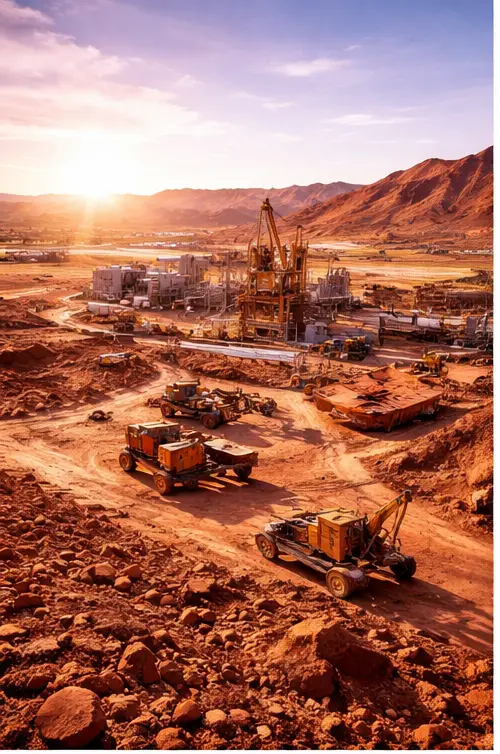
Mining and resource operations are the largest contributors. Iron ore and other resource projects require extensive infrastructure to support extraction, processing, and transportation.
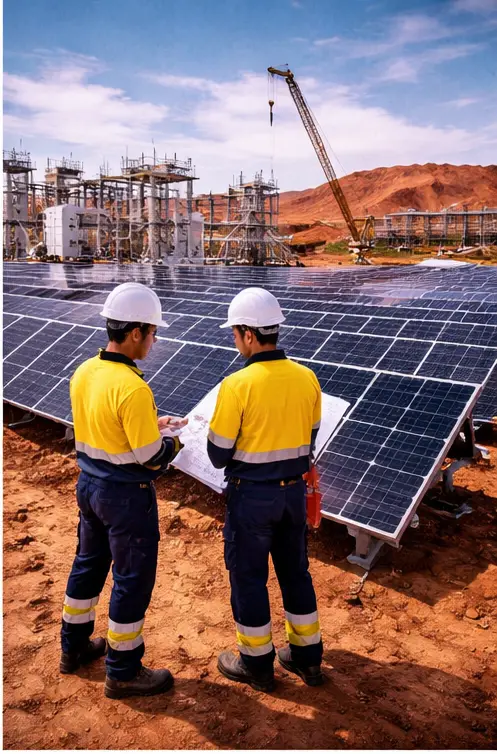
Energy is another critical sector. The transition toward renewable energy is driving investment in solar farms, battery storage, and hybrid energy systems across the region.
Construction and commercial infrastructure are also expanding. Industrial facilities, warehouses, and commercial developments are being built to support business activities.
Government infrastructure projects play a key role in regional development. Investments in roads, public facilities, and community infrastructure improve connectivity and quality of life.
Marine and port infrastructure is essential for supporting export activities. Ports such as those in Port Hedland are undergoing upgrades to handle increased demand.
By understanding the sectors driving infrastructure development in the Pilbara, organisations can identify opportunities for growth and investment.
Role of Construction and Energy Contractors
Construction and energy contractors play a vital role in delivering infrastructure projects across the Pilbara. Their expertise ensures that projects are completed efficiently, safely, and in compliance with regulatory standards.
Construction contractors are responsible for building infrastructure such as roads, facilities, and industrial structures. They manage project planning, site preparation, and execution, ensuring that projects meet timelines and quality standards.
Energy contractors support the development of electrical infrastructure and renewable energy systems. This includes the installation of power distribution systems, solar infrastructure, and hybrid energy solutions.
Guma Wagagu Australia (GWA) provides integrated infrastructure services supporting mining, construction, and energy projects across Western Australia. With strong experience in the Pilbara region, GWA delivers solutions tailored to the challenges of remote environments.
GWA’s capabilities include construction, electrical infrastructure, labour hire, and renewable energy services. This multi-service approach enables the company to support complex projects from planning through to completion.
As a Pilbara-based Indigenous business, GWA brings valuable regional knowledge and strong local partnerships, supporting projects across Karratha, Port Hedland, and regional WA.
Organisations investing in infrastructure development in the Pilbara should partner with experienced contractors to ensure successful project delivery.
Future Outlook for the Pilbara Region
The future of infrastructure development in the Pilbara is shaped by ongoing investment, technological advancements, and evolving industry demands.
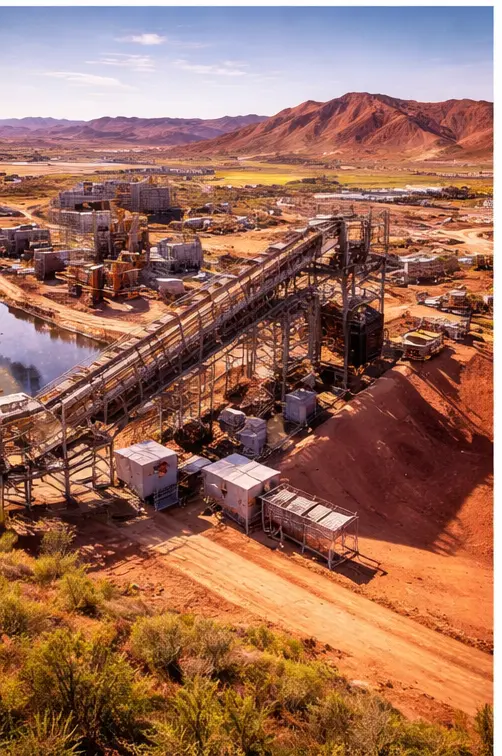
Renewable energy is expected to play an increasingly important role in the region’s infrastructure. The adoption of solar and hybrid energy systems will support sustainable operations and reduce reliance on traditional energy sources.
Digital technologies are also influencing infrastructure development. Smart systems, automation, and data analytics are improving efficiency and enabling better decision-making.
Workforce development will remain a key focus. Ensuring access to skilled labour is essential for supporting ongoing infrastructure projects.
Sustainability and environmental considerations are becoming more important. Infrastructure projects are increasingly designed to minimise environmental impact and support long-term sustainability goals.
The Pilbara’s strategic importance to Western Australia’s economy ensures that infrastructure development will continue to grow. With ongoing investment and innovation, the region is well-positioned for long-term success.
By continuing to invest in infrastructure development in the Pilbara, organisations can contribute to the region’s growth and economic resilience.
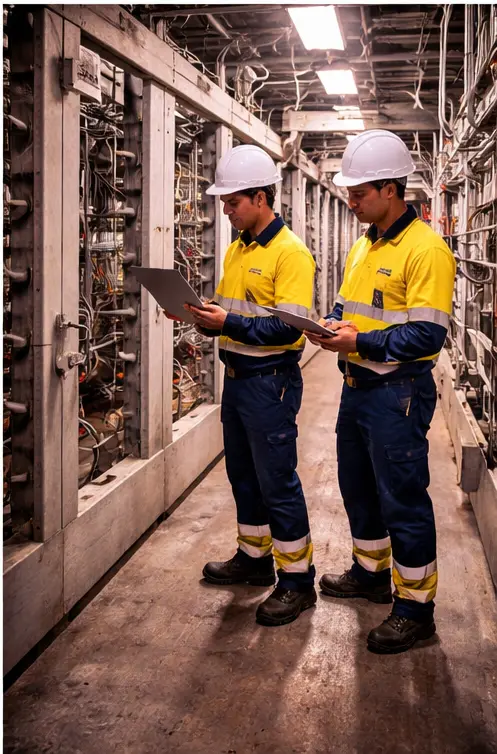
Infrastructure development in the Pilbara is driving economic growth and supporting key industries across Western Australia. From mining and energy projects to commercial and government infrastructure, the region continues to expand and evolve.
GWA provides construction, electrical, and infrastructure services supporting mining, commercial, government, and renewable energy projects across Western Australia. With extensive experience in the Pilbara, GWA delivers solutions designed for performance, reliability, and long-term success.
Contact our team today to discuss how we can support your project with expert infrastructure development in the Pilbara across Western Australia.