
Construction and mining infrastructure projects across the Pilbara region of Western Australia depend heavily on the efficient movement and management of large-scale machinery. From transporting excavators to remote sites near Karratha to delivering specialised equipment to projects in Port Hedland, heavy equipment logistics in WA plays a critical role in ensuring project success.
Remote construction sites across regional WA present unique logistical challenges, including long distances, limited infrastructure, and environmental constraints. These factors require detailed planning and coordination to ensure that equipment arrives on time and in operational condition.
By implementing structured heavy equipment logistics in WA, companies can minimise delays, optimise resource utilisation, and maintain project timelines. This article explores the challenges of transporting heavy equipment, planning strategies for remote sites, methods for managing logistics efficiently, and the benefits of working with experienced plant hire providers across Western Australia.
Challenges of Transporting Heavy Equipment
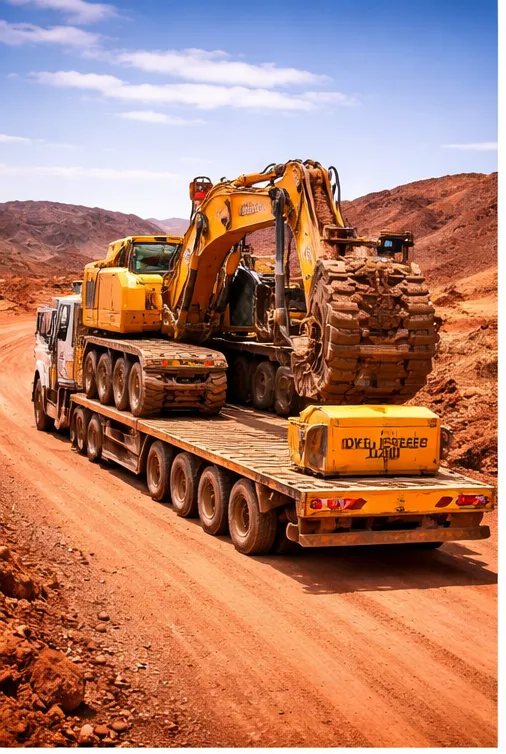
Transporting heavy equipment to remote construction sites in the Pilbara presents a range of challenges that must be addressed to ensure successful project execution.
Distance is one of the primary challenges. Remote locations across Western Australia are often far from supply centres, requiring equipment to be transported over long distances. This increases transportation time and costs.
Road conditions also play a significant role. Many remote areas have unsealed or rugged roads, which can impact the safe and efficient transport of heavy machinery. Specialised transport vehicles and experienced operators are required to navigate these conditions.
Permits and regulations must also be considered. Transporting oversized or heavy loads requires compliance with specific regulations, including obtaining permits and adhering to safety standards.
Weather conditions can further complicate logistics. Extreme heat, dust, and occasional heavy rainfall in the Pilbara can impact transportation schedules and equipment safety.
By utilising heavy equipment logistics in WA, organisations can effectively manage these challenges and ensure that equipment is delivered safely and efficiently to remote sites.
Equipment Planning for Remote Sites
Effective equipment planning is essential for construction projects in remote regions of Western Australia. Proper planning ensures that the right equipment is available when needed, reducing downtime and improving productivity.
The first step in equipment planning is identifying project requirements. This includes determining the types of machinery needed for different phases of construction, such as earthmoving, structural work, and finishing.
Timing is a critical factor. Equipment must be scheduled to arrive on-site in alignment with project timelines. Delays in equipment delivery can impact the entire project schedule.
Maintenance planning is also important. Equipment operating in the Pilbara’s harsh environment requires regular servicing to ensure optimal performance. Planning for maintenance reduces the risk of breakdowns.
Storage and security must also be considered. Remote sites require secure storage solutions to protect equipment from damage and unauthorised access.
By implementing heavy equipment logistics in WA, companies can ensure that equipment planning is aligned with project needs and site conditions.
Managing Logistics Efficiently
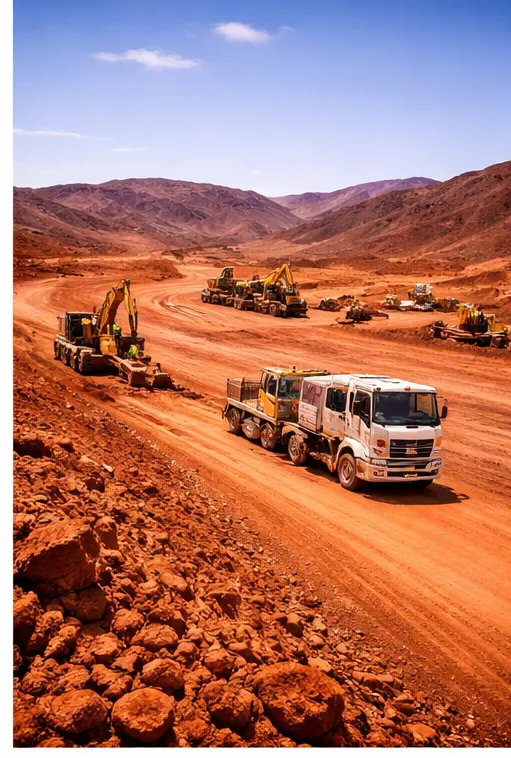
Efficient logistics management is critical for the success of remote construction projects in the Pilbara. Coordinating the movement of equipment, materials, and personnel requires a structured and proactive approach.
One key aspect of logistics management is coordination. Ensuring that all stakeholders, including suppliers, transport providers, and project teams, are aligned helps prevent delays and miscommunication.
Tracking and monitoring systems provide visibility into equipment movement. Real-time tracking allows project managers to monitor progress and respond quickly to any issues.
Optimising transport routes is another important strategy. Selecting the most efficient routes helps reduce travel time and costs while minimising risks.
Contingency planning is essential for managing unexpected challenges. Having backup plans in place ensures that projects can continue even if disruptions occur.
In regions such as Karratha and Port Hedland, where logistical challenges are common, heavy equipment logistics in WA provides the structure needed to maintain efficient operations.
Working with Plant Hire Providers
Partnering with experienced plant hire providers is a key factor in managing heavy equipment logistics for remote construction projects.
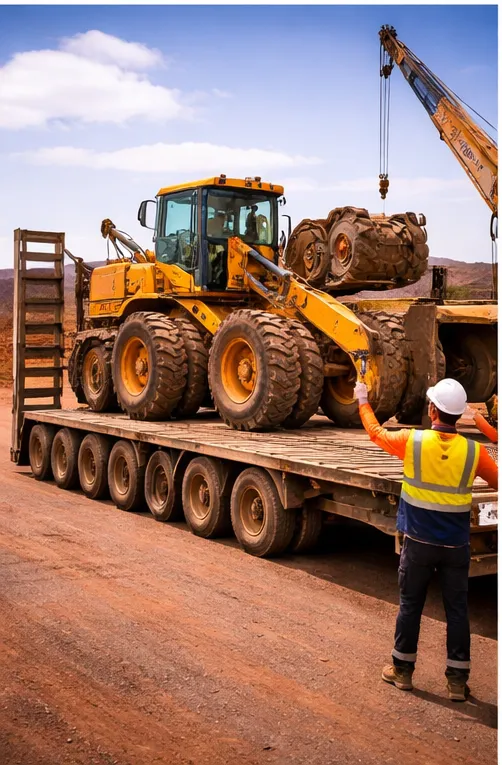
Plant hire providers offer access to a wide range of machinery, allowing companies to source equipment as needed without the costs associated with ownership. This provides flexibility and cost efficiency for construction projects.
Experienced providers also offer logistical support, including transportation, maintenance, and equipment management. This ensures that equipment is delivered and maintained efficiently.
Guma Wagagu Australia (GWA) provides plant hire and infrastructure services supporting construction, mining, and government projects across Western Australia. With strong experience in the Pilbara region, GWA delivers reliable equipment solutions tailored to remote environments.
GWA’s integrated services, including labour hire and electrical infrastructure, provide comprehensive support for large-scale projects. This ensures that all aspects of project logistics are managed effectively.
As a Pilbara-based Indigenous business, GWA brings valuable regional knowledge and strong local partnerships, supporting projects across Karratha, Port Hedland, and regional WA.
Organisations should work with experienced providers offering heavy equipment logistics in WA to ensure efficient and reliable project execution.
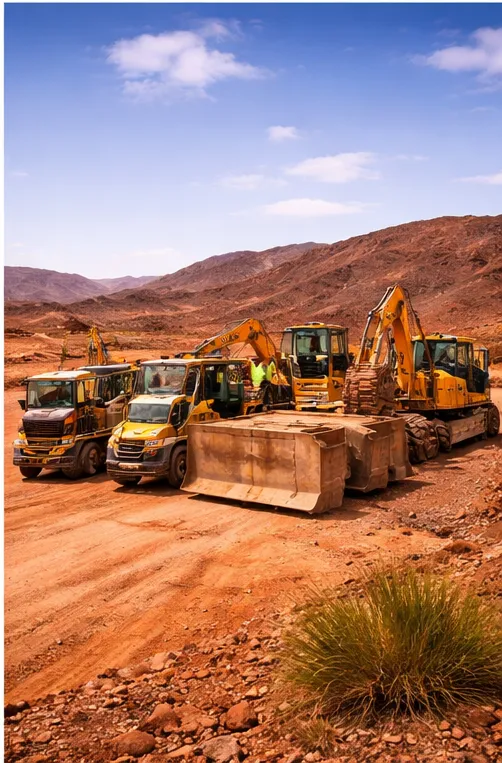
Heavy equipment logistics is a critical component of construction projects across the Pilbara and regional Western Australia. From managing transportation challenges to planning equipment usage and coordinating logistics, effective strategies ensure that projects are completed efficiently and on schedule.
GWA provides plant hire and infrastructure services supporting construction, mining, and government projects across Western Australia. With extensive experience in the Pilbara, GWA delivers solutions designed for performance, reliability, and long-term success.
Contact our team today to discuss how we can support your project with expert heavy equipment logistics in WA across the Pilbara and regional Western Australia.