
Access to reliable energy is essential for the sustainability and development of Indigenous communities across remote regions of Western Australia. In areas such as the Pilbara, where communities are often located far from established power grids, energy infrastructure must be both resilient and efficient. The adoption of hybrid solar power systems in WA is transforming how remote communities generate and manage electricity.
Traditional diesel-based power systems have long been used in remote locations, but they present challenges related to fuel costs, maintenance, and environmental impact. Hybrid solar solutions offer a more sustainable alternative by combining renewable energy generation with backup power systems.
By integrating hybrid solar power systems in WA, communities in Karratha, Port Hedland, and across regional WA can reduce reliance on diesel, improve energy reliability, and lower long-term operating costs. These systems provide a scalable solution that supports both current needs and future growth.
This article explores the energy challenges faced by remote communities, how hybrid solar systems operate, the benefits of renewable energy solutions, and the future of community energy infrastructure across Western Australia.
Energy Challenges for Remote Communities
Remote Indigenous communities across Western Australia face unique energy challenges that impact daily life, economic development, and infrastructure reliability. The Pilbara region, known for its vast distances and isolated locations, presents significant barriers to traditional energy supply.
One of the primary challenges is the lack of connection to the main electricity grid. Many communities rely on standalone power systems, typically powered by diesel generators. While these systems provide essential energy, they are costly to operate and maintain.
Fuel transportation is another major issue. Delivering diesel to remote areas such as Karratha and Port Hedland involves complex logistics and high transportation costs. Any disruption in supply can affect energy availability.
Environmental conditions also impact energy systems. High temperatures, dust, and remote operating environments can reduce the efficiency and lifespan of equipment.
Limited access to technical expertise further complicates maintenance and repairs. Without reliable support, system failures can lead to prolonged outages.
Implementing hybrid solar power systems in WA helps address these challenges by reducing dependence on fuel, improving system reliability, and supporting sustainable energy solutions across regional WA.
How Hybrid Solar Power Systems Work
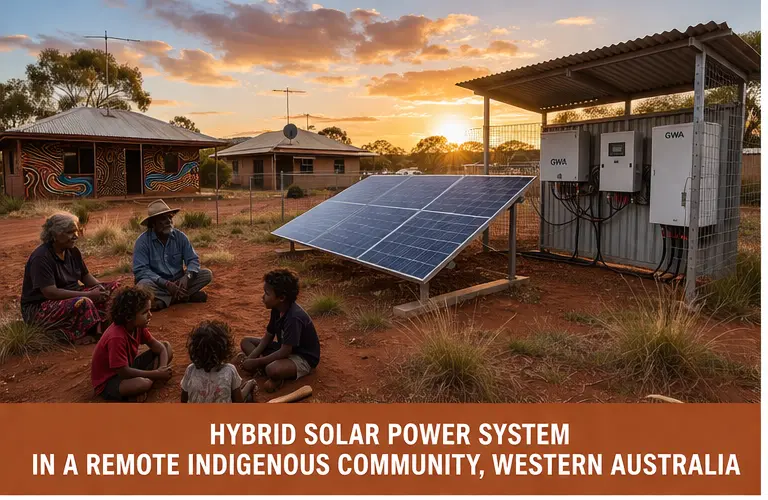
Hybrid solar power systems combine renewable energy generation with traditional power sources to create a reliable and efficient energy solution for remote communities. These systems are designed to maximise the use of solar energy while ensuring continuous power supply.
The primary components of a hybrid system include solar panels, battery storage, inverters, and backup generators. Solar panels capture sunlight and convert it into electricity, which is then used to power community facilities.
Excess energy generated during the day is stored in battery systems, allowing it to be used during periods of low solar generation, such as at night or during cloudy conditions. This reduces reliance on diesel generators.
Backup generators remain an important part of the system, providing additional power when needed to ensure uninterrupted energy supply. The system automatically manages the balance between solar, battery, and generator power to optimise efficiency.
Advanced control systems monitor energy usage and generation, ensuring that the system operates efficiently under varying conditions.
By implementing hybrid solar power systems in WA, communities across the Pilbara and regional WA can achieve a reliable and sustainable energy solution tailored to their specific needs.
Benefits of Renewable Energy Systems
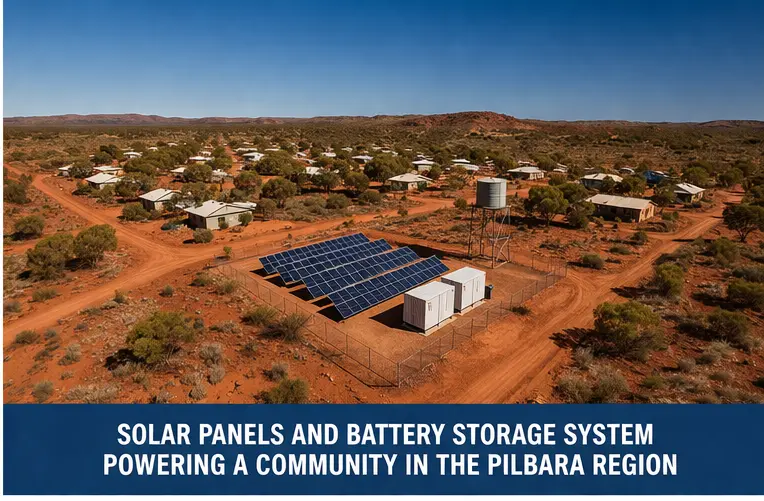
Hybrid solar systems provide a range of benefits for Indigenous communities in remote Western Australia, supporting both economic and environmental objectives.
One of the most significant advantages is cost reduction. By reducing reliance on diesel fuel, communities can lower energy costs and improve financial sustainability. This is particularly important in remote areas where fuel transportation is expensive.
Energy reliability is also enhanced. The combination of solar generation, battery storage, and backup systems ensures a consistent power supply, reducing the risk of outages.
Environmental sustainability is a key benefit. Solar energy is a clean and renewable resource, helping to reduce carbon emissions and environmental impact. This aligns with broader sustainability goals and supports long-term environmental stewardship.
Hybrid systems also provide scalability. As community needs grow, additional solar panels and storage capacity can be integrated into the system.
In addition, renewable energy infrastructure can support community development by enabling access to reliable power for essential services such as healthcare, education, and communication.
By adopting hybrid solar power systems in WA, communities can achieve improved energy efficiency, reduced costs, and enhanced sustainability.
The Future of Community Energy Infrastructure in WA
The future of energy infrastructure in remote communities across Western Australia is increasingly focused on renewable and hybrid solutions. Advances in solar technology, battery storage, and system integration are making these systems more efficient and accessible.
In regions such as the Pilbara, where solar resources are abundant, hybrid systems are expected to play a central role in energy development. These systems provide a practical solution for addressing the challenges associated with remote energy supply.
Government initiatives and industry support are also driving the adoption of renewable energy in regional WA. Investments in infrastructure and technology are helping communities transition to more sustainable energy solutions.
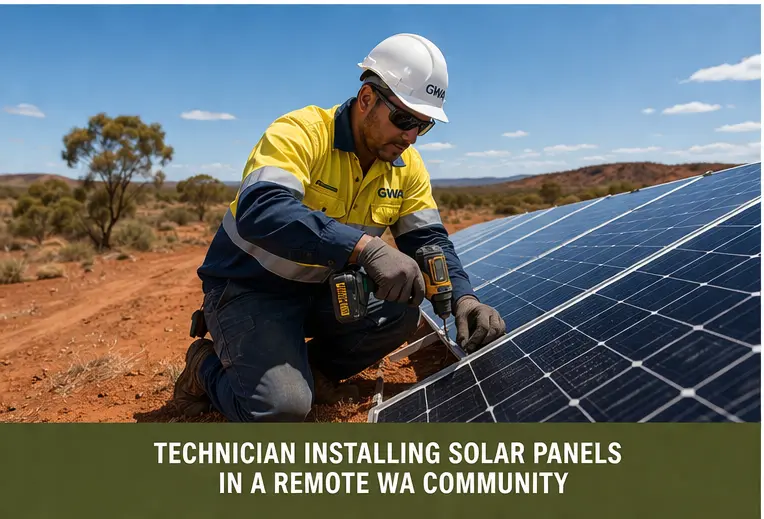
Guma Wagagu Australia (GWA) supports this transition by delivering electrical infrastructure services for renewable energy projects across Western Australia. With experience in remote environments, GWA provides solutions designed for reliability, safety, and long-term performance.
As a Pilbara-based Indigenous business, GWA understands the needs of local communities and works closely with stakeholders to deliver effective energy solutions.
Communities and organisations planning energy projects should work with experienced providers of hybrid solar power systems in WA to ensure successful implementation and long-term sustainability.
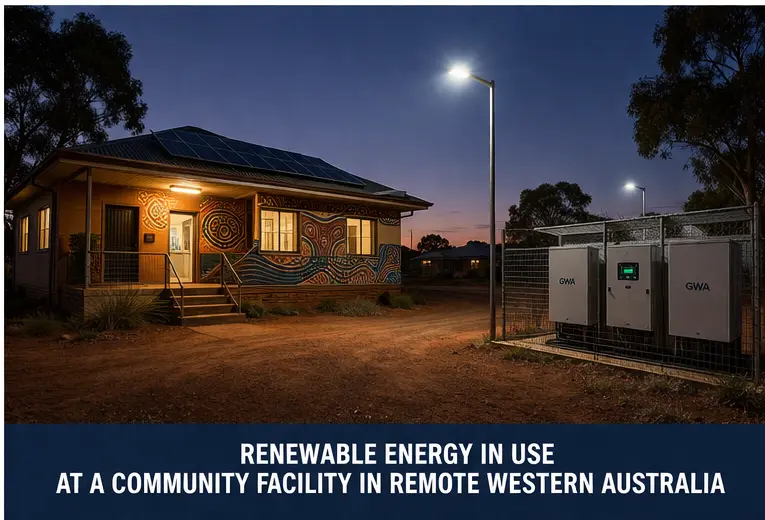
Hybrid solar power systems are transforming energy infrastructure for Indigenous communities across remote Western Australia. By combining renewable energy with reliable backup systems, these solutions provide a sustainable and efficient approach to energy supply.
GWA provides electrical infrastructure services supporting renewable energy, mining, and community projects across Western Australia. With strong experience in the Pilbara, GWA delivers solutions designed for performance, compliance, and long-term reliability.
Contact our team today to discuss how we can support your project with expert hybrid solar power systems in WA across the Pilbara and regional Western Australia.