
Commercial facilities across Western Australia are increasingly adopting renewable energy solutions to reduce operational costs, improve sustainability, and enhance energy reliability. One of the most impactful innovations in this space is the adoption of grid-connected solar systems in WA, which allow businesses to generate and utilise solar energy while remaining connected to the main power grid.
From commercial buildings in Perth to industrial operations in the Pilbara, grid-connected solar systems are transforming how energy is produced and consumed. In regions such as Karratha and Port Hedland, where energy demand can be high and costs significant, these systems provide a practical and scalable solution.
By integrating grid-connected solar systems in WA, businesses can reduce dependence on traditional energy sources while maintaining access to grid power when needed. This hybrid approach ensures reliability while maximising the benefits of renewable energy.
This article explores how grid-connected solar works, the benefits for commercial facilities, infrastructure requirements for implementation, and the future of solar energy across Western Australia.
How Grid-Connected Solar Systems Work
Grid-connected solar systems, also known as grid-tied systems, are designed to generate electricity from solar panels while maintaining a connection to the main electricity grid. This allows commercial facilities to use solar energy during the day and draw power from the grid when solar generation is insufficient.
The system typically consists of solar panels, inverters, and a connection to the electrical distribution network. Solar panels capture sunlight and convert it into direct current (DC) electricity. The inverter then converts this into alternating current (AC), which can be used by the facility.
Any excess energy generated can be fed back into the grid, depending on local regulations and system design. This helps improve overall energy efficiency and can provide financial benefits through energy credits or reduced electricity bills.
In Western Australia, particularly in the Pilbara and regional WA, grid-connected systems are becoming increasingly popular for commercial and industrial applications. They offer a reliable and efficient way to integrate renewable energy without compromising operational continuity.
Working with experienced providers of grid-connected solar systems in WA ensures proper system design, installation, and integration with existing infrastructure.
Benefits for Commercial Facilities
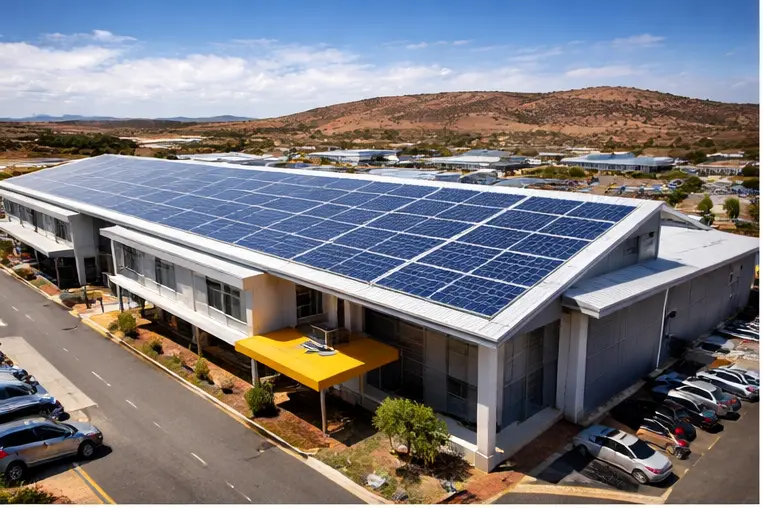
Grid-connected solar systems provide a range of benefits for commercial facilities across Western Australia, making them an attractive investment for businesses seeking long-term efficiency and sustainability.
One of the most significant advantages is cost reduction. By generating their own electricity, businesses can reduce reliance on grid power and lower energy expenses. This is particularly valuable in regions such as the Pilbara, where energy costs can be higher.
Energy reliability is another key benefit. While solar panels generate power during the day, the connection to the grid ensures that facilities continue to operate during periods of low solar generation, such as at night or during cloudy conditions.
Sustainability is also a major factor. Many organisations are prioritising environmental responsibility, and solar energy provides a clean and renewable alternative to traditional power sources. This can also enhance corporate reputation and support compliance with environmental standards.
Grid-connected systems are scalable, allowing businesses to expand their energy capacity as needed. This flexibility is important for growing commercial operations in Karratha, Port Hedland, and across regional WA.
By implementing grid-connected solar systems in WA, businesses can achieve a balance of cost efficiency, reliability, and sustainability.
Infrastructure Requirements for Solar Projects
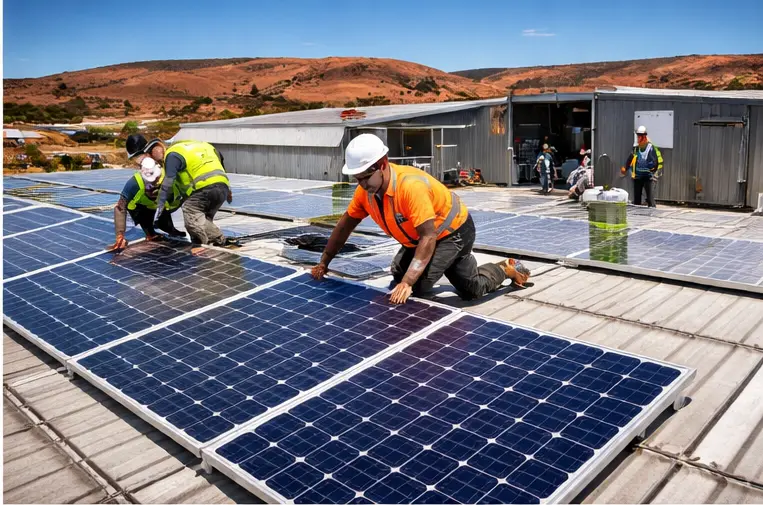
Successful implementation of grid-connected solar systems requires careful planning and robust electrical infrastructure. Commercial facilities must ensure that their existing systems can support solar integration.
One of the primary requirements is a suitable installation area for solar panels, such as rooftops or ground-mounted systems. The location must provide adequate exposure to sunlight to maximise energy generation.
Electrical infrastructure upgrades may also be necessary. This can include upgrading switchboards, wiring, and distribution systems to handle additional energy input from solar systems.
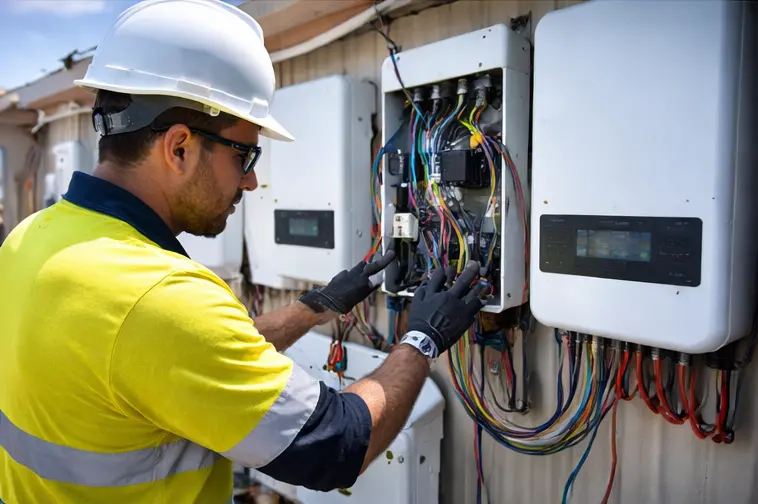
Inverters and control systems are critical components that manage energy conversion and distribution. Advanced monitoring systems allow businesses to track energy production and consumption, improving efficiency and performance.
Compliance with local regulations is also essential. Solar installations must meet safety and technical standards set by authorities in Western Australia.
Guma Wagagu Australia (GWA) provides electrical infrastructure services supporting solar integration across commercial, mining, and infrastructure projects. With experience in the Pilbara and regional WA, GWA ensures that all infrastructure requirements are met for efficient and compliant system installation.
Working with experts in grid-connected solar systems in WA ensures seamless integration and long-term system performance.
The Future of Solar Energy in Western Australia
The future of solar energy in Western Australia is strong, driven by increasing demand for sustainable solutions and advancements in renewable technology. Grid-connected systems are expected to play a key role in the transition toward cleaner energy.
In regions such as the Pilbara, where sunlight is abundant, solar energy offers significant potential for both commercial and industrial applications. As technology continues to evolve, systems are becoming more efficient, cost-effective, and easier to integrate.
Battery storage is also becoming more prevalent, allowing businesses to store excess solar energy for use during peak demand periods. This further enhances energy independence and reduces reliance on the grid.
Government initiatives and industry trends are supporting the growth of renewable energy across WA, encouraging businesses to adopt sustainable practices.
GWA is actively supporting this transition by delivering electrical infrastructure solutions that enable solar integration and renewable energy projects across Western Australia.
By investing in grid-connected solar systems in WA, businesses can position themselves for future growth while contributing to a more sustainable energy landscape.
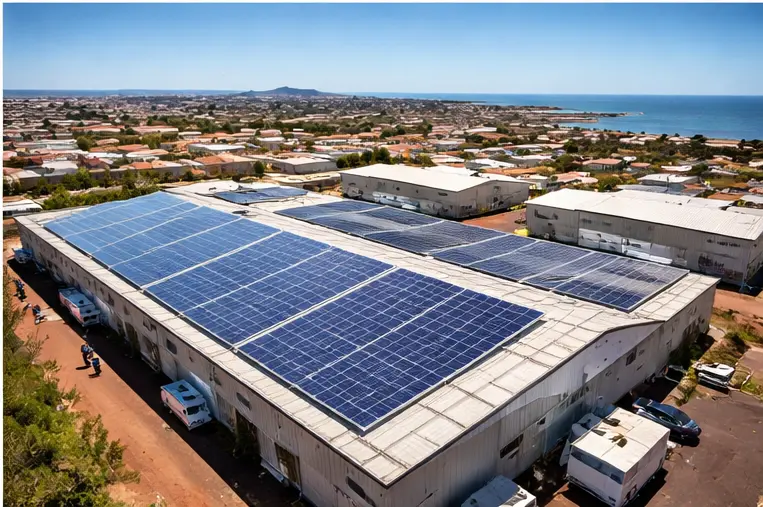
Grid-connected solar systems are transforming commercial energy infrastructure across Western Australia, offering businesses a reliable, cost-effective, and sustainable energy solution. From reducing operational costs to improving energy resilience, these systems provide long-term value for commercial facilities.
GWA provides electrical infrastructure services supporting commercial, mining, and renewable energy projects across Western Australia. With expertise in solar integration and electrical systems, GWA delivers solutions designed for performance, compliance, and scalability.
Contact our team today to discuss how we can support your project with expert grid-connected solar systems in WA across the Pilbara and regional Western Australia.