
Western Australia is undergoing a significant transformation in its energy sector, driven by the rapid expansion of renewable energy technologies and infrastructure. Across regions such as the Pilbara and broader regional WA, industries are increasingly adopting sustainable energy solutions to improve efficiency, reduce costs, and meet environmental targets. As a result, renewable energy infrastructure development in WA has become a key priority for mining operations, commercial facilities, and government projects.
The shift toward renewable energy is supported by strong growth in solar, wind, and battery storage systems. In fact, renewable energy has already accounted for a growing share of electricity generation, with solar playing a major role in this transition.
From large-scale solar farms near Port Hedland to hybrid energy systems supporting remote mining sites in Karratha, the demand for reliable and sustainable infrastructure continues to rise. By investing in renewable energy infrastructure development in WA, organisations can enhance operational resilience while contributing to a cleaner energy future.
This article explores the growth of renewable infrastructure, key solar and hybrid energy solutions, investment trends, and future opportunities across Western Australia.
Growth of Renewable Infrastructure in Western Australia
The growth of renewable energy infrastructure in Western Australia has accelerated significantly over the past decade. Government initiatives, industry demand, and technological advancements have all contributed to this expansion.
Renewable energy is now playing a central role in the state’s energy mix. In recent years, renewable sources have accounted for a substantial portion of electricity generation, with solar and wind leading the transition.
In the South West Interconnected System (SWIS), renewable energy has already reached record levels, with more than half of electricity demand met by renewable sources during peak periods.
Solar adoption has been particularly strong. Around one-third of households in Western Australia now have rooftop solar systems, contributing to a decentralised and resilient energy network.
This growth is not limited to residential installations. Large-scale renewable projects are being developed across the state, including solar farms and battery storage systems designed to support industrial and commercial operations.
The expansion of renewable energy infrastructure development in WA is transforming the way energy is generated, distributed, and consumed, creating a more flexible and sustainable energy system.
Solar and Hybrid Energy Projects
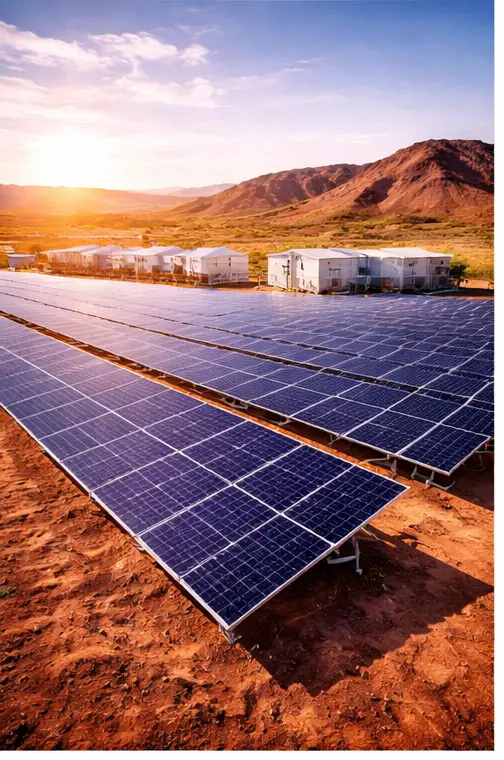
Solar and hybrid energy systems are at the forefront of renewable infrastructure development in Western Australia. These systems provide reliable and cost-effective energy solutions for both grid-connected and off-grid applications.
Solar energy is widely used across WA due to the region’s high solar irradiance. Large-scale solar farms, such as those in regional WA, generate significant amounts of electricity, while rooftop solar systems are increasingly common in commercial and industrial facilities.
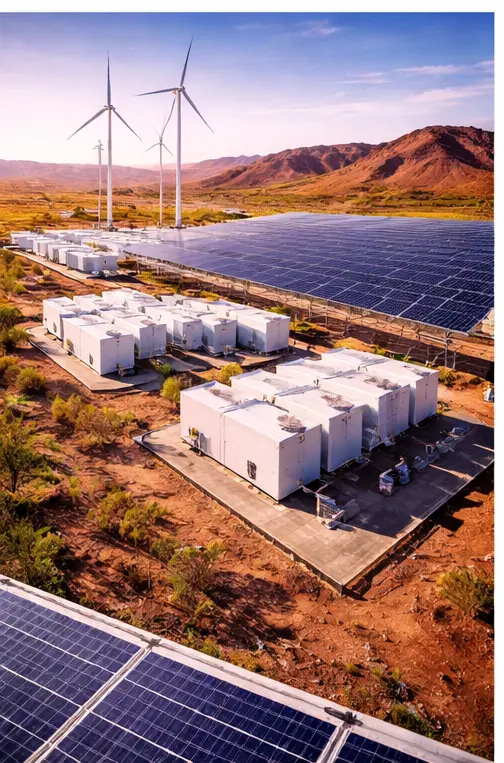
Hybrid energy systems combine solar power with other energy sources, such as diesel generators and battery storage. These systems are particularly valuable for remote mining operations in the Pilbara, where grid access may be limited.
Battery storage plays a critical role in hybrid systems by storing excess energy generated during the day and supplying power when demand is high or solar generation is low.
In locations such as Port Hedland and Karratha, hybrid systems are helping reduce reliance on traditional fuel sources while improving energy reliability.
By adopting renewable energy infrastructure development in WA, organisations can implement solar and hybrid solutions that support operational efficiency and sustainability.
Infrastructure Investment Trends
Investment in renewable energy infrastructure is increasing across Western Australia as both public and private sectors recognise the long-term benefits of sustainable energy solutions.
Government initiatives are driving significant investment in renewable projects, including solar farms, wind energy developments, and battery storage systems. These investments are aligned with broader goals to reduce emissions and transition to a low-carbon economy.
Private sector investment is also growing, particularly in mining and commercial industries. Companies are investing in renewable infrastructure to reduce energy costs and improve operational resilience.
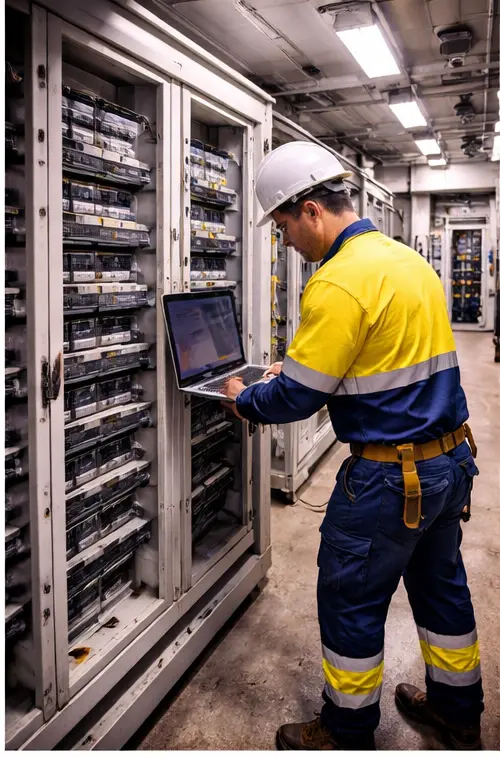
Battery storage and energy management systems are becoming key areas of investment, supporting the integration of renewable energy into existing infrastructure.
The transition to renewable energy is also creating opportunities for infrastructure development, including transmission networks and energy storage facilities.
As investment continues to grow, renewable energy infrastructure development in WA is expected to play a critical role in supporting economic growth and energy security across the state.
Future Opportunities for Renewable Energy
The future of renewable energy infrastructure in Western Australia presents significant opportunities for innovation, growth, and sustainability.
Advancements in technology are enabling more efficient and reliable energy systems. Improvements in solar panel efficiency, battery storage capacity, and energy management systems are driving the adoption of renewable solutions.
The development of microgrids and decentralised energy systems is also creating new opportunities for remote communities and industrial operations. These systems provide localised energy generation and reduce reliance on centralised infrastructure.
The transition to renewable energy is expected to continue as Western Australia works toward long-term sustainability goals, including net-zero emissions targets.
Guma Wagagu Australia (GWA) provides electrical infrastructure services supporting renewable energy, mining, and commercial projects across Western Australia. With strong experience in the Pilbara region, GWA delivers solutions designed for reliability, safety, and long-term performance.
GWA supports solar installations, hybrid energy systems, and infrastructure upgrades, ensuring that projects are delivered efficiently and in compliance with industry standards.
As a Pilbara-based Indigenous business, GWA brings valuable regional knowledge and strong local partnerships, supporting projects across Karratha, Port Hedland, and regional WA.
Organisations planning future projects should work with experienced providers of renewable energy infrastructure development in WA to take advantage of emerging opportunities.
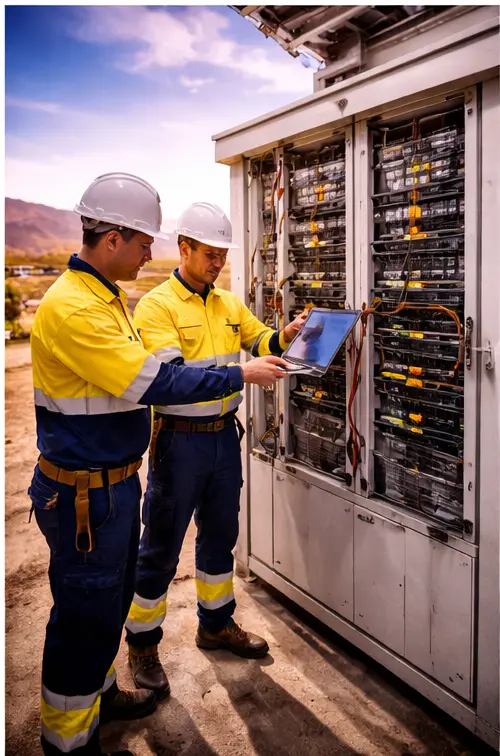
Renewable energy infrastructure development is reshaping the energy landscape across Western Australia. From solar and hybrid systems to large-scale infrastructure investments, renewable energy is driving efficiency, sustainability, and long-term growth.
GWA provides electrical infrastructure services supporting renewable energy, mining, commercial, and government projects across Western Australia. With extensive experience in the Pilbara, GWA delivers solutions designed for performance, compliance, and reliability.
Contact our team today to discuss how we can support your project with expert renewable energy infrastructure development in WA across the Pilbara and regional Western Australia.