
The infrastructure sector across Western Australia is experiencing significant growth, driven by large-scale mining, construction, and government projects. However, this growth has also highlighted critical workforce challenges in WA infrastructure sector, particularly in regions such as the Pilbara and across regional WA. Access to skilled labour remains one of the most pressing issues affecting project delivery and operational efficiency.
From major developments in Karratha to infrastructure expansion in Port Hedland, companies are facing increasing competition for qualified workers. The demand for skilled trades, combined with remote working conditions and fluctuating project timelines, has made workforce management more complex.
Addressing workforce challenges in WA infrastructure sector requires strategic planning, flexible workforce solutions, and collaboration with experienced labour providers. This article explores the key labour shortages in Western Australia, the growing demand for skilled trades, effective workforce management strategies, and the benefits of labour hire partnerships for infrastructure projects.
Labour Shortages in Western Australia
Labour shortages are a significant issue affecting infrastructure projects across Western Australia. The rapid growth of mining, construction, and government projects has increased demand for workers, creating gaps in workforce availability.
One of the primary causes of labour shortages is the remote nature of many project locations. Regions such as the Pilbara, including Karratha and Port Hedland, are located far from major population centres. This makes it challenging to attract and retain workers.
Competition between industries also contributes to shortages. Mining, construction, and infrastructure sectors often compete for the same pool of skilled workers, driving up demand and limiting availability.
Seasonal and project-based work further complicates workforce supply. Labour demand can fluctuate significantly depending on project timelines, making it difficult for companies to maintain a consistent workforce.
By addressing workforce challenges in WA infrastructure sector, organisations can develop strategies to manage labour shortages and ensure project continuity.
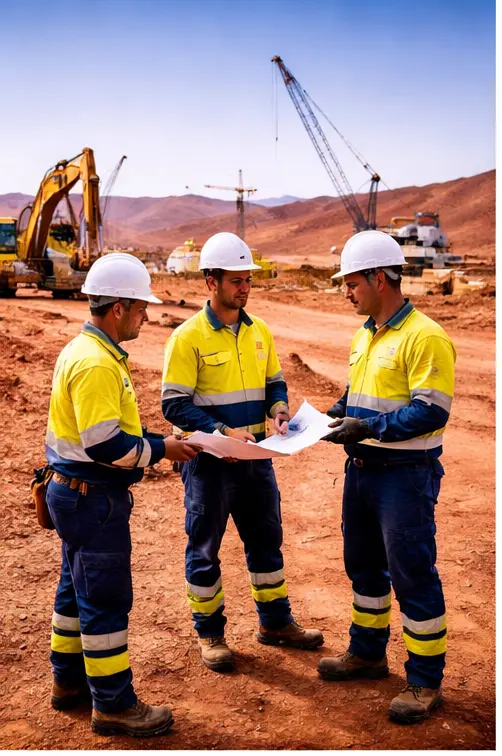
Demand for Skilled Trades in WA Infrastructure
The demand for skilled trades in Western Australia’s infrastructure sector continues to grow, driven by ongoing development projects and the need for specialised expertise.
Trades such as electricians, welders, carpenters, and heavy equipment operators are in high demand. These roles are essential for constructing and maintaining infrastructure across the Pilbara and regional WA.
Specialised skills are particularly important for complex projects, including mining infrastructure, commercial developments, and government facilities. Workers must have the expertise to operate in challenging environments and meet strict safety and compliance standards.
Training and development are key to addressing skill shortages. Investing in workforce training helps build a pipeline of qualified workers and supports long-term industry growth.
However, developing skilled labour takes time, and immediate project needs often require alternative solutions.
By understanding workforce challenges in WA infrastructure sector, companies can better plan for the demand for skilled trades and ensure that projects have access to the necessary expertise.

Strategies for Effective Workforce Management
Effective workforce management is essential for addressing labour challenges and ensuring successful project delivery across Western Australia.
Workforce planning is a critical component. Anticipating labour requirements based on project timelines helps ensure that the right workers are available when needed.
Flexibility is also important. Projects often require varying levels of labour at different stages, making it necessary to adjust workforce size accordingly.
Retention strategies can help reduce turnover and maintain workforce stability. Providing competitive wages, safe working conditions, and career development opportunities can improve worker retention.
Technology can support workforce management by providing tools for scheduling, tracking, and communication. These systems help improve coordination and efficiency.
Collaboration with labour providers is another key strategy. Partnering with experienced providers ensures access to a reliable workforce and reduces the burden of recruitment and administration.
By implementing these strategies, organisations can effectively manage workforce challenges in WA infrastructure sector and maintain project performance.

Benefits of Labour Hire Partnerships
Labour hire partnerships provide a practical solution for addressing workforce challenges in the infrastructure sector. These partnerships offer flexibility, efficiency, and access to skilled workers.
One of the main benefits is scalability. Labour hire allows companies to quickly adjust workforce levels based on project requirements, ensuring efficient resource allocation.
Access to skilled workers is another advantage. Labour hire providers maintain a pool of qualified personnel, enabling companies to source workers with the necessary skills and experience.
Administrative efficiency is also improved. Labour hire providers handle recruitment, onboarding, and compliance, reducing the workload for project teams.
Guma Wagagu Australia (GWA) provides labour hire and infrastructure services supporting mining, construction, and government projects across Western Australia. With strong experience in the Pilbara, GWA delivers workforce solutions tailored to the needs of remote and large-scale projects.
GWA’s integrated services, including construction and electrical infrastructure, provide comprehensive support for infrastructure projects across Karratha, Port Hedland, and regional WA.
As a Pilbara-based Indigenous business, GWA brings valuable regional knowledge and strong local partnerships, supporting workforce solutions across Western Australia.
Organisations should work with experienced providers offering workforce challenges in WA infrastructure sector solutions through labour hire partnerships to ensure reliable and efficient project execution.
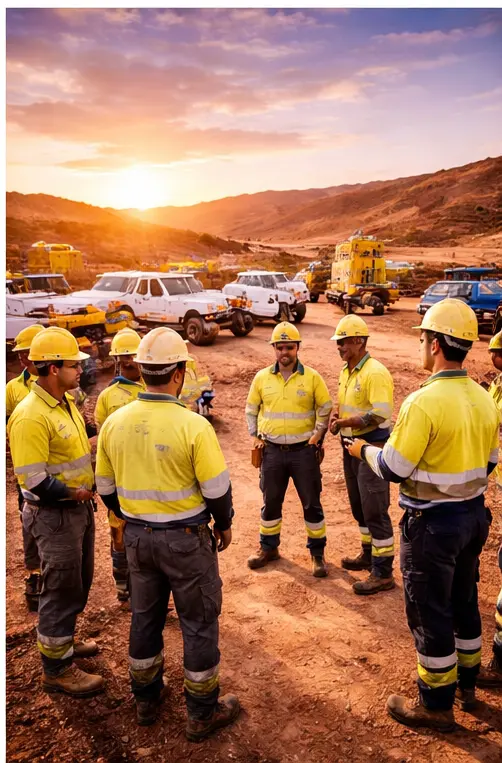
Workforce challenges remain a key issue for infrastructure projects across Western Australia. From labour shortages to increasing demand for skilled trades, effective workforce management is essential for maintaining productivity and project success.
GWA provides labour hire services supporting mining, construction, and government projects across Western Australia. With extensive experience in the Pilbara, GWA delivers workforce solutions designed for flexibility, reliability, and performance.
Contact our team today to discuss how we can support your project with expert solutions to workforce challenges in WA infrastructure sector across the Pilbara and regional Western Australia.