
Defence installations across Western Australia require reliable, secure, and self-sufficient energy solutions to support critical operations in remote environments. In regions such as the Pilbara and across regional WA, access to traditional grid infrastructure is often limited or unavailable, making off-grid energy systems for defence installations in WA essential for operational continuity.
From defence facilities near Karratha to remote installations in and around Port Hedland, energy systems must be designed to withstand harsh environmental conditions while ensuring uninterrupted power supply. These installations support mission-critical activities where even minor disruptions can have significant consequences.
By implementing off-grid energy systems for defence installations in WA, organisations can achieve greater energy independence, improved reliability, and enhanced operational resilience. This article explores the energy requirements for defence infrastructure, the benefits of off-grid systems, key security and reliability considerations, and the future of defence energy infrastructure across Western Australia.
Energy Requirements for Defence Infrastructure
Defence installations operate in highly demanding environments and require consistent, reliable power to support a wide range of activities. These include communications systems, surveillance equipment, accommodation facilities, and operational infrastructure.
Energy demand in defence facilities is often continuous and critical. Systems must operate 24/7 without interruption, making reliability a top priority. This is particularly important in remote regions of Western Australia where backup support may be limited.
Infrastructure in locations such as the Pilbara must also account for environmental challenges. High temperatures, dust, and remote conditions can impact system performance, requiring robust and durable energy solutions.
Scalability is another key requirement. Defence installations may need to expand or adapt to changing operational needs, requiring flexible energy systems that can accommodate growth.
By utilising off-grid energy systems for defence installations in WA, organisations can ensure that energy infrastructure is tailored to meet the specific demands of remote defence operations.
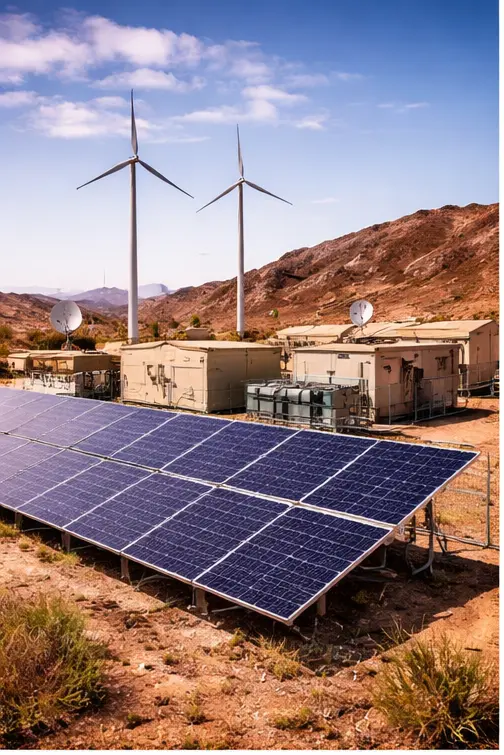
Benefits of Off-Grid Energy Systems
Off-grid energy systems provide several advantages for defence installations operating in remote regions of Western Australia. These systems enable facilities to generate and manage their own power without reliance on external grid infrastructure.
One of the primary benefits is energy independence. Off-grid systems allow defence installations to operate autonomously, reducing vulnerability to external disruptions.
Reliability is another key advantage. By integrating multiple energy sources, such as solar panels, battery storage, and backup generators, off-grid systems ensure continuous power supply even in challenging conditions.
Cost efficiency can also be achieved over time. While initial setup costs may be higher, off-grid systems reduce ongoing energy expenses and reliance on fuel-based power generation.
Environmental sustainability is an additional benefit. Renewable energy components, such as solar systems, reduce carbon emissions and support sustainable operations.
In regions such as Karratha and Port Hedland, where grid access may be limited, off-grid energy systems for defence installations in WA provide a practical and effective solution for reliable energy supply.
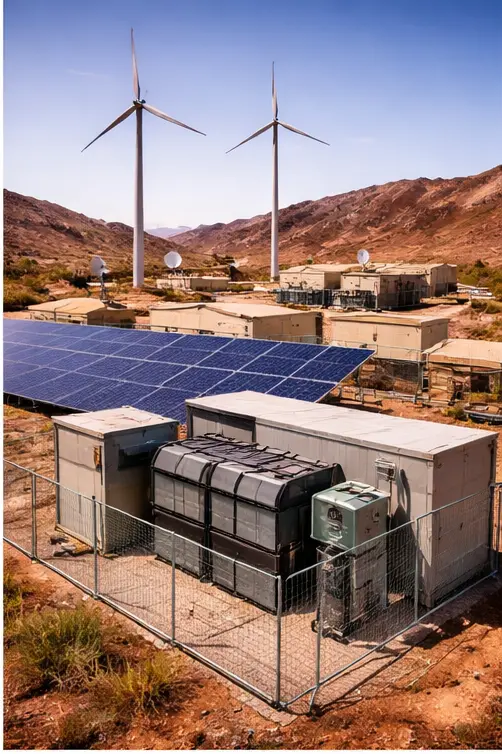
Security and Reliability Considerations
Security and reliability are critical considerations for energy systems supporting defence installations. These systems must be designed to operate securely and consistently under all conditions.
Physical security is essential. Energy infrastructure must be protected from unauthorised access and potential threats. This includes secure enclosures, monitoring systems, and controlled access points.
Cybersecurity is also increasingly important. Modern energy systems often include digital components and remote monitoring capabilities, making them potential targets for cyber threats. Robust security measures must be implemented to protect system integrity.
Redundancy is a key factor in ensuring reliability. Backup systems and multiple energy sources help maintain operations in the event of component failure.
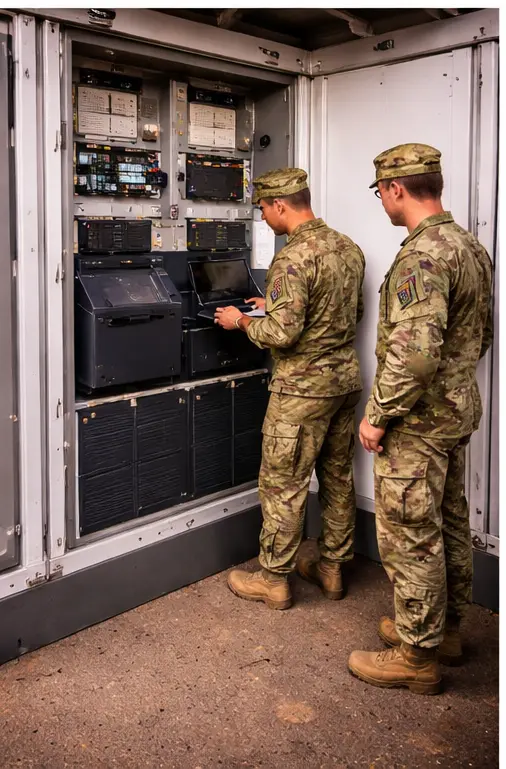
Maintenance and monitoring are also critical. Regular inspections and real-time monitoring help identify potential issues before they impact performance.
By implementing off-grid energy systems for defence installations in WA, organisations can ensure that energy infrastructure meets the highest standards of security and reliability.
Future of Defence Energy Infrastructure
The future of defence energy infrastructure in Western Australia is driven by advancements in technology and the growing need for sustainable and resilient energy solutions.
Hybrid energy systems are becoming increasingly common, combining renewable energy sources with traditional backup systems. These systems provide flexibility and reliability for defence installations.
Advancements in battery storage technology are improving energy efficiency and enabling better management of power resources. This allows installations to store energy and use it when needed.
Smart energy management systems are also shaping the future of defence infrastructure. These systems provide real-time insights into energy usage and performance, enabling more efficient operations.
Guma Wagagu Australia (GWA) provides electrical infrastructure services supporting defence, mining, and commercial projects across Western Australia. With strong experience in remote environments, GWA delivers energy solutions designed for reliability, safety, and long-term performance.
As a Pilbara-based Indigenous business, GWA brings valuable regional knowledge and strong local partnerships, supporting defence infrastructure projects across Karratha, Port Hedland, and regional WA.
Organisations planning future energy solutions should work with experienced providers of off-grid energy systems for defence installations in WA to ensure successful implementation and long-term benefits.
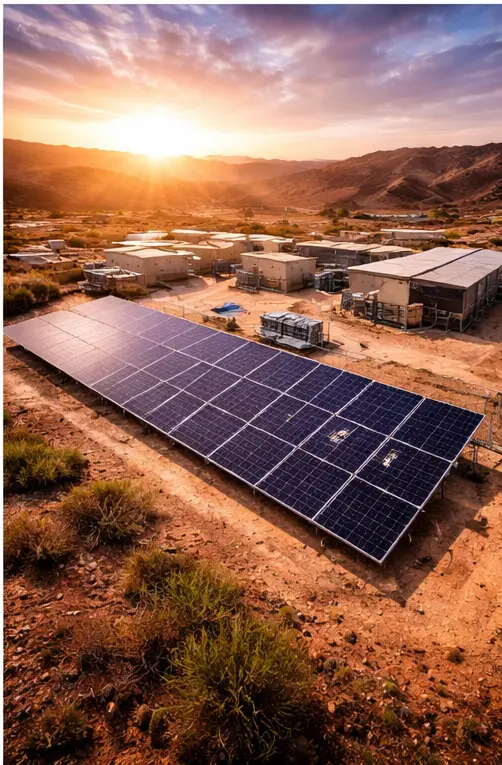
Off-grid energy systems are essential for supporting defence installations in remote regions of Western Australia. By providing reliable, secure, and sustainable power, these systems enable critical operations to continue without interruption.
GWA provides electrical infrastructure services supporting defence, mining, and commercial projects across Western Australia. With extensive experience in the Pilbara, GWA delivers solutions designed for performance, compliance, and long-term reliability.
Contact our team today to discuss how we can support your project with expert off-grid energy systems for defence installations in WA across the Pilbara and regional Western Australia.