
Mining infrastructure projects across Western Australia require detailed and strategic planning to ensure successful execution, particularly in remote regions such as the Pilbara. From site development in Karratha to large-scale operations near Port Hedland, construction projects must address unique challenges related to location, logistics, and environmental conditions. Implementing effective construction planning for mining infrastructure in WA is essential for delivering projects on time and within budget.
Remote mining sites often lack access to established infrastructure, making planning a critical component of project success. Factors such as transportation, workforce availability, and environmental conditions must be carefully considered to ensure smooth project delivery.
By adopting structured construction planning for mining infrastructure in WA, companies can manage risks, optimise resources, and improve overall efficiency. This article explores the key aspects of planning infrastructure in remote mining regions, logistical considerations, strategies for managing construction timelines, and the importance of partnering with experienced contractors across Western Australia.
Planning Infrastructure in Remote Mining Regions
Planning infrastructure for mining projects in remote regions of Western Australia requires a comprehensive approach that addresses both operational and environmental factors. The Pilbara region, known for its vast distances and challenging terrain, presents unique considerations for construction planning.
One of the key aspects of planning is site assessment. This involves evaluating the geographical and environmental conditions of the location, including terrain, climate, and accessibility. These factors influence the design and construction approach.
Infrastructure requirements must also be clearly defined. Mining projects typically require roads, accommodation facilities, power systems, and water management infrastructure. Each component must be planned to support the overall operation.
Regulatory compliance is another important consideration. Projects must adhere to local regulations and industry standards, ensuring that all aspects of construction meet legal requirements.
In locations such as Karratha and Port Hedland, where conditions can vary significantly, detailed planning is essential for ensuring that infrastructure is designed and built to withstand the environment.
By implementing construction planning for mining infrastructure in WA, organisations can ensure that projects are well-prepared for the challenges of remote environments.
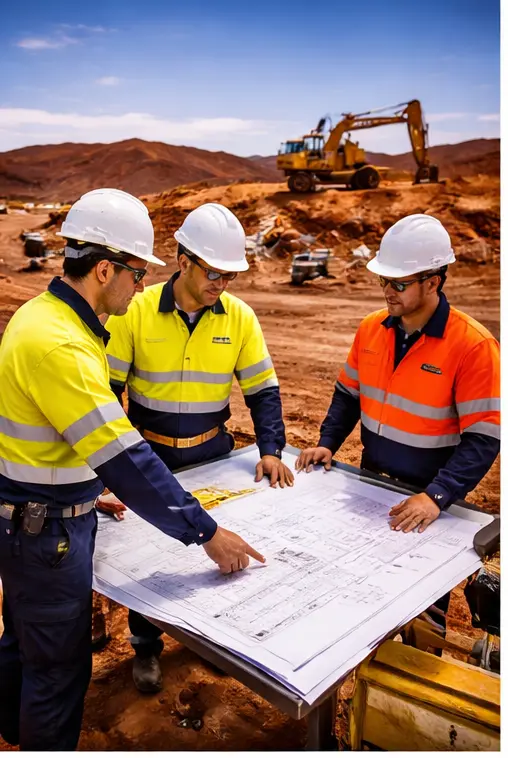
Logistics and Site Preparation
Logistics play a critical role in the success of construction projects in remote mining regions. The transportation of materials, equipment, and workforce to sites across the Pilbara requires careful coordination and planning.
Distance is a major factor. Remote sites may be located far from supply centres, making it essential to plan transport routes and schedules effectively. This includes coordinating deliveries to ensure that materials arrive when needed.
Site preparation is another key component. Preparing the site for construction involves clearing land, establishing access roads, and setting up temporary facilities such as accommodation and storage areas.
Environmental considerations must also be addressed during site preparation. This includes managing dust, protecting natural resources, and ensuring compliance with environmental regulations.
Efficient logistics and site preparation help minimise delays and ensure that construction activities can proceed smoothly.
By utilising construction planning for mining infrastructure in WA, companies can manage logistical challenges effectively and ensure that projects are set up for success.
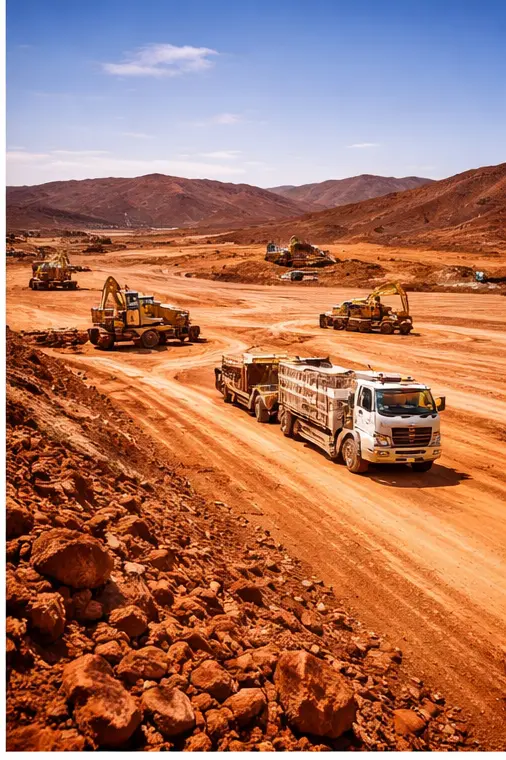
Managing Construction Timelines
Managing construction timelines is essential for ensuring that mining infrastructure projects are completed on schedule. Delays can lead to increased costs and impact overall project performance.
One of the key factors in timeline management is project scheduling. Developing a detailed schedule that outlines each phase of construction helps ensure that activities are coordinated effectively.
Resource allocation is also important. Ensuring that the right workforce, equipment, and materials are available at the right time helps maintain progress and avoid delays.
Monitoring and reporting systems provide visibility into project performance. Regular updates allow project managers to identify potential issues and take corrective action.
Flexibility is another important consideration. Remote construction projects may face unexpected challenges, such as weather conditions or logistical disruptions. Having contingency plans in place helps mitigate these risks.
In regions such as the Pilbara, where conditions can be unpredictable, effective timeline management is critical for project success.
By adopting construction planning for mining infrastructure in WA, organisations can ensure that projects remain on track and are delivered efficiently.
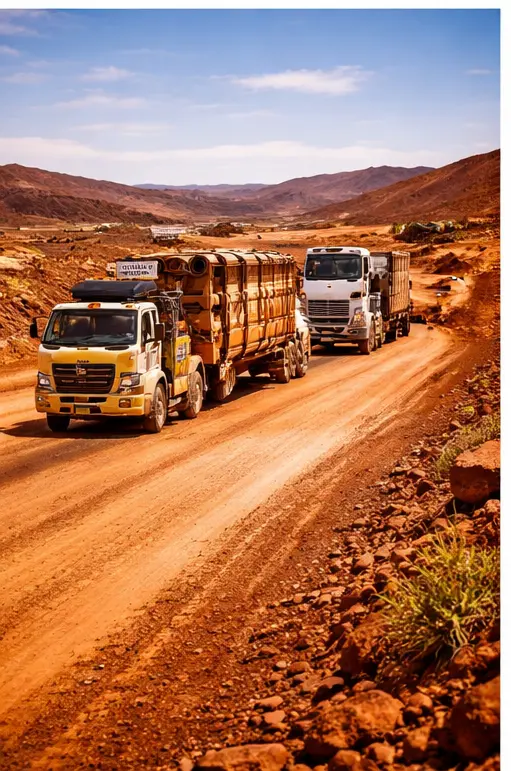
Partnering with Experienced Construction Contractors
Partnering with experienced contractors is essential for the successful delivery of mining infrastructure projects in Western Australia. Contractors with expertise in remote environments bring valuable knowledge and resources to the project.
Guma Wagagu Australia (GWA) provides construction and infrastructure services supporting mining, commercial, and government projects across Western Australia. With strong experience in the Pilbara region, GWA delivers solutions tailored to the challenges of remote construction.
GWA’s capabilities include infrastructure development, site preparation, and integrated services such as electrical infrastructure and labour hire. This comprehensive approach ensures that all aspects of the project are managed effectively.
Working with an experienced contractor ensures compliance with safety and regulatory standards, reducing risks and supporting efficient project execution.
As a Pilbara-based Indigenous business, GWA brings strong regional knowledge and local partnerships, supporting projects across Karratha, Port Hedland, and regional WA.
Organisations planning mining infrastructure projects should work with experienced providers of construction planning for mining infrastructure in WA to ensure successful outcomes.
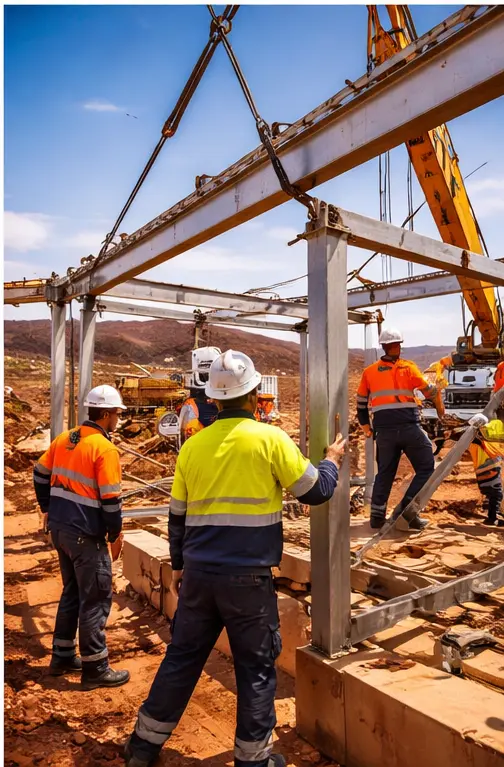
Construction planning is a critical factor in the successful delivery of mining infrastructure projects across Western Australia. From addressing logistical challenges to managing timelines and resources, effective planning ensures that projects are completed efficiently and safely.
GWA provides construction and infrastructure services supporting mining, commercial, and government projects across Western Australia. With extensive experience in the Pilbara, GWA delivers solutions designed for performance, compliance, and long-term reliability.
Contact our team today to discuss how we can support your project with expert construction planning for mining infrastructure in WA across the Pilbara and regional Western Australia.