
Construction projects across the Pilbara region of Western Australia present unique challenges that require specialised expertise, careful planning, and reliable execution. From large-scale mining infrastructure near Port Hedland to commercial developments in Karratha, operating in remote and demanding environments requires experienced construction contractors in the Pilbara who understand regional conditions.
The Pilbara is known for its extreme climate, remote locations, and complex logistics, all of which impact project timelines, costs, and resource availability. Without the right strategies, these challenges can lead to delays, increased expenses, and operational inefficiencies.
Working with skilled construction contractors in the Pilbara ensures that projects are delivered safely, efficiently, and in compliance with industry standards. Contractors with experience in regional WA are equipped to manage environmental factors, coordinate logistics, and optimise workforce deployment.
This article explores the key construction challenges in the Pilbara, how infrastructure planning supports remote projects, strategies for managing workforce and equipment, and best practices that contractors use to deliver successful outcomes across Western Australia.
Environmental and Logistical Challenges in the Pilbara
The Pilbara region presents some of the most demanding environmental and logistical conditions for construction projects in Australia. High temperatures, seasonal weather variations, and exposure to dust and harsh terrain all impact construction activities.
Extreme heat can affect both workers and equipment, requiring strict safety protocols and adjusted work schedules to maintain productivity while ensuring workforce wellbeing. Dust and environmental exposure can also accelerate wear on machinery and infrastructure components.
Logistics is another major challenge. Remote project locations across Western Australia often require long-distance transport of materials, equipment, and personnel. Limited infrastructure in certain areas can complicate delivery schedules and increase project costs.
Access to essential resources, including water, fuel, and accommodation, must also be carefully managed. Construction contractors must plan for these requirements in advance to avoid disruptions during project execution.
Experienced construction contractors in the Pilbara address these challenges through detailed planning, use of durable materials, and efficient logistics coordination, ensuring projects remain on track despite environmental constraints.
Infrastructure Planning for Remote Construction Projects
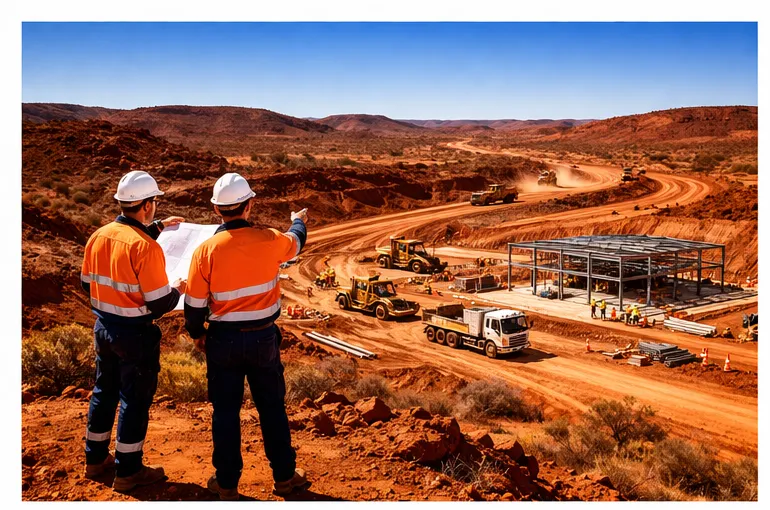
Effective infrastructure planning is essential for construction projects in remote regions such as the Pilbara. Unlike urban developments, remote projects require a comprehensive approach that accounts for logistics, resource availability, and environmental factors.
Planning begins with site assessment, where contractors evaluate terrain, access routes, and environmental conditions. This information is used to develop strategies for material transport, equipment deployment, and workforce accommodation.
Temporary infrastructure is often required to support construction activities. This may include site offices, accommodation camps, power generation systems, and water supply facilities. These elements must be designed to operate efficiently in remote environments.
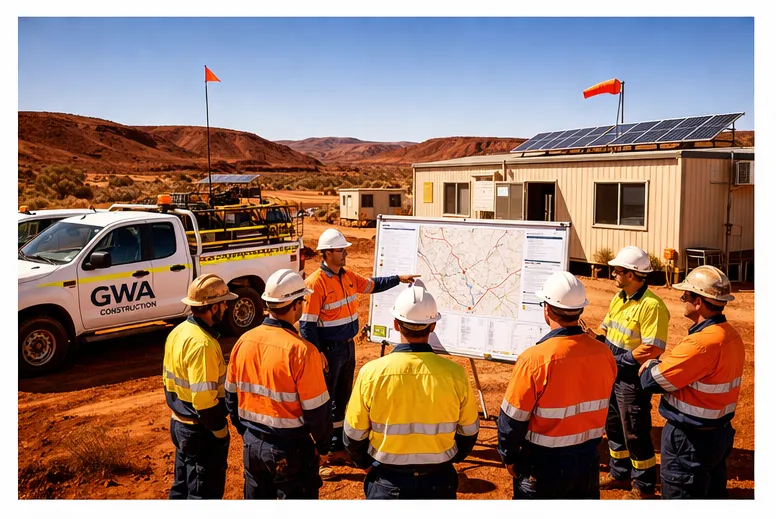
Coordination with stakeholders is also critical. Mining companies, government agencies, and local communities all play a role in project execution, requiring clear communication and collaboration.
By leveraging the expertise of construction contractors in the Pilbara, companies can ensure that infrastructure planning is aligned with project objectives, reducing risks and improving overall efficiency.

Managing Workforce and Equipment in Remote Environments
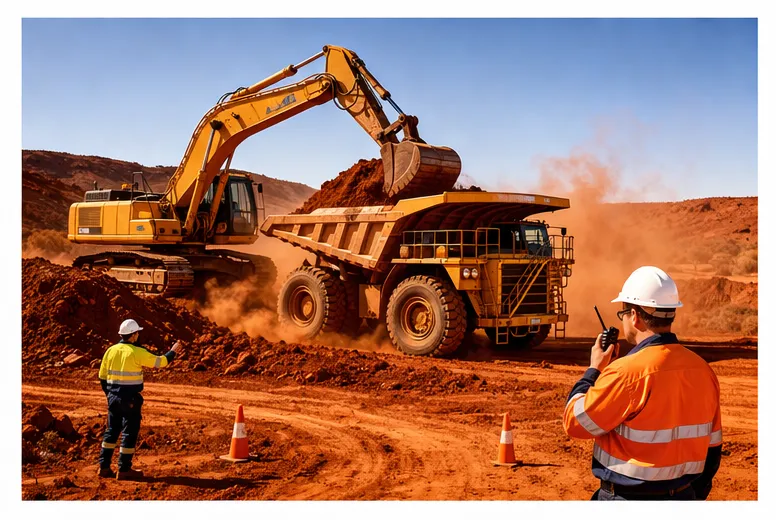
Workforce and equipment management are key factors in the success of construction projects across Western Australia. In the Pilbara, these elements are particularly challenging due to remote locations and high demand for skilled labour.
Workforce management involves recruiting, training, and retaining skilled workers who are capable of operating in demanding conditions. Many projects rely on FIFO (fly-in fly-out) arrangements, which require careful coordination of travel, accommodation, and scheduling.
Ensuring worker safety is also a priority. Contractors must implement strict safety protocols and provide ongoing training to minimise risks associated with construction activities.
Equipment management is equally important. Machinery must be reliable, well-maintained, and suited to the environmental conditions of the Pilbara. Regular maintenance and monitoring help prevent breakdowns that could delay project timelines.
Experienced construction contractors in the Pilbara utilise advanced planning tools, skilled workforce networks, and proactive maintenance strategies to manage both personnel and equipment effectively.
Best Practices for Construction Contractors in the Pilbara
Successful construction projects in the Pilbara rely on the implementation of best practices that address the region’s unique challenges.
One key practice is adopting a proactive approach to project planning. This includes detailed scheduling, risk assessment, and contingency planning to address potential disruptions.
Another important factor is integration of services. Contractors who offer multiple services—such as electrical infrastructure, labour hire, and maintenance—can streamline project delivery and improve coordination.
Guma Wagagu Australia (GWA) delivers construction, electrical, and infrastructure services supporting mining, commercial, and government projects across Western Australia. With extensive experience in the Pilbara, GWA provides reliable solutions tailored to remote environments.
GWA’s capabilities include construction services for infrastructure projects, electrical system installation, and workforce support through labour hire solutions. This integrated approach ensures efficient project execution from start to finish.
Strong local knowledge is also essential. As a Pilbara-based Indigenous business, GWA brings valuable regional insight and established relationships, contributing to successful project outcomes.
Companies planning construction projects should work with experienced construction contractors in the Pilbara to ensure safe, efficient, and high-quality delivery across regional WA.
Construction projects in the Pilbara require a strategic approach to overcome environmental, logistical, and operational challenges. From effective infrastructure planning to workforce and equipment management, success depends on experience, preparation, and execution.
GWA provides construction, electrical, and infrastructure services supporting mining, commercial, and government projects across Western Australia. As a trusted provider of construction contractors in the Pilbara, GWA delivers reliable, compliant, and efficient solutions tailored to remote environments.
Contact our team today to discuss how we can support your next construction project across the Pilbara and regional Western Australia.